


Local Business Schema & Structured Data: How to Implement Schema Markup for Local SEO Success
In the digital landscape, local businesses must leverage every tool available to enhance their online visibility. One of the most effective methods is through the implementation of local business schema and structured data. This article will guide you through the importance of schema markup, its best practices, and how it can significantly impact your local SEO efforts. Many businesses struggle to appear in local search results, which can lead to missed opportunities for attracting customers. By utilizing structured data, businesses can improve their search visibility and provide search engines with clear information about their services. We will explore the key components of local business schema, its potential impacts on search visibility, and practical steps for implementation.
Best Practices for Implementing Local Business Schema
Implementing local business schema effectively requires adherence to several best practices. These practices ensure that the schema markup is accurate and beneficial for search engines and users alike.
- Use Correct Schema Types: Always select the appropriate schema type for your business. For local businesses, the LocalBusiness schema is essential.
- Ensure Accuracy of Data: Verify that all information, such as business name, address, and phone number, is accurate and consistent across all platforms.
- Incorporate Local Keywords: Use relevant local keywords within your schema markup to enhance local search relevance.
Following these best practices can significantly improve your local SEO performance. MTech Media specializes in helping businesses implement these strategies effectively, ensuring that your schema markup is both accurate and optimized for search engines.
Key Components of Local Business Schema

Understanding the key components of local business schema is crucial for effective implementation. The essential elements include:
- Business Information: This includes the name, address, and phone number (NAP) of the business.
- Service Type: Clearly define the services offered by the business to help search engines categorize the business accurately.
- Customer Reviews: Incorporating customer reviews can enhance credibility and improve click-through rates.
The following table summarizes these components:
These components work together to provide a comprehensive view of your business to search engines, improving your chances of appearing in local search results.
Potential Impacts on Search Visibility
Implementing local business schema can have several positive impacts on your search visibility. These include:
- Enhanced Search Rankings: Proper schema markup can lead to improved rankings in local search results.
- Increased Click-Through Rates: Rich snippets generated from schema markup can attract more clicks from search results.
- Better User Experience: Providing clear and structured information helps users find what they need quickly.
By focusing on these impacts, businesses can better understand the value of schema markup in their overall SEO strategy.
What Is Local Business Schema and Why Does It Matter for Local SEO?
Local business schema is a specific type of structured data that helps search engines understand the details of a local business. It matters for local SEO because it enhances visibility in search results, particularly for “near me” searches. By implementing local business schema, businesses can improve their chances of appearing in local search results, which is crucial for attracting nearby customers. This structured data supports various ranking factors, making it an essential component of any local SEO strategy.
Further emphasizing the foundational role of structured data, one study highlights how it enables search engines to better understand a website’s content and connect users with local business information.
Structured Data for SEO: Enhancing Local Search Visibility
“White hat” search engine optimization refers to the practice of publishing web pages that are useful to humans, while enabling search engines and web applications to better understand the structure and content of your website. This article teaches you to add structured data to your website so that search engines can more easily connect patrons to your library locations, hours, and contact information.
White hat search engine optimization (SEO):
Structured web data for libraries, D Scott, 2015
How Local Schema Markup Enhances Search Engine Understanding
Local schema markup enhances search engine understanding by providing structured information about a business. This structured data allows search engines to interpret the content more effectively, leading to better indexing and ranking. Different types of schema markup, such as LocalBusiness, Service, and FAQ schemas, serve distinct purposes and can be implemented to target specific search queries. For instance, using the LocalBusiness schema helps search engines identify the business’s location and services, which is vital for local search optimization.
Key Schema Types for Local Businesses and Their Impact
Several key schema types are particularly beneficial for local businesses. These include:
- LocalBusiness Schema: This is the primary schema type for local businesses, providing essential information about the business.
- Service Schema: This schema type details the specific services offered, helping to attract relevant search queries.
- FAQ Schema: This schema can be used to answer common customer questions, enhancing user engagement and providing valuable information.
Implementing these schema types can significantly impact local SEO by improving visibility and attracting more relevant traffic.
How to Implement Local Business Schema Using JSON-LD Format
Implementing local business schema using JSON-LD format is a straightforward process. JSON-LD is a lightweight data format that is easy to read and write, making it ideal for structured data.
Step-by-Step Guide to Adding JSON-LD Local Business Schema
- Create JSON-LD Snippet: Start by creating a JSON-LD snippet that includes all relevant business information, such as name, address, and services.
- Validate JSON-LD: Use validation tools to ensure that your JSON-LD is correctly formatted and free of errors.
- Monitor and Update Schema: Regularly check and update your schema markup to reflect any changes in your business information.
This structured approach ensures that your local business schema is implemented correctly and effectively.
Common Validation Tools to Ensure Schema Accuracy
To ensure the accuracy of your schema markup, several validation tools can be utilized:
- Google’s Structured Data Testing Tool: This tool allows you to test your structured data for errors and provides feedback on how it will appear in search results.
- Rich Results Test: This tool helps you check if your structured data is eligible for rich results in Google Search.
- Schema Markup Validator: This tool validates your schema markup against the latest schema.org standards.
Using these tools can help maintain the integrity of your schema markup and improve your local SEO efforts.
What Are the Benefits of Structured Data for Local Businesses?
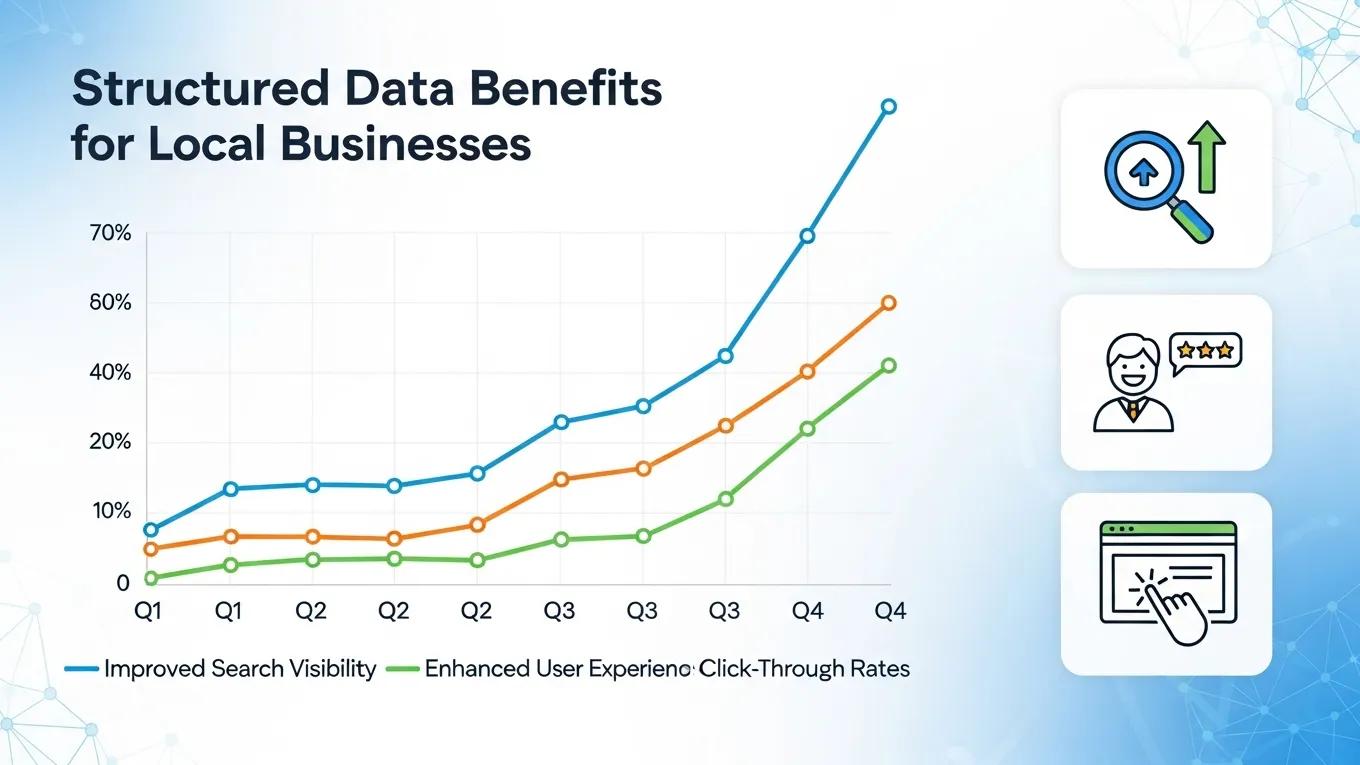
Structured data offers numerous benefits for local businesses, including:
- Improved Search Visibility: Structured data helps search engines understand your content better, leading to higher rankings.
- Enhanced User Experience: Clear and structured information improves the user experience, making it easier for customers to find what they need.
- Increased Click-Through Rates: Rich snippets generated from structured data can attract more clicks, leading to higher traffic.
These benefits highlight the importance of implementing structured data as part of a comprehensive local SEO strategy.
Indeed, the strategic application of structured data is a cornerstone of local SEO, as detailed in guides that emphasize its role in enhancing online visibility and attracting customers.
Local SEO for Businesses: Structured Data & Online Visibility
This chapter provides a comprehensive guide to local SEO for medical practices, emphasizing how healthcare providers can improve online visibility and attract more patients through strategic optimization. It explains key concepts such as keyword targeting, metadata use, structured data tags, and directory listings.
Mastering Local SEO for Medical Practices, 2025
How Schema Markup Increases Click-Through Rates and Leads
Schema markup can significantly increase click-through rates (CTR) and leads by enhancing the visibility of your listings in search results. Rich snippets, which are generated from schema markup, provide users with additional information about your business, such as reviews, ratings, and service offerings. This additional context can make your listing more appealing compared to competitors, leading to higher CTR and ultimately more leads.
Integration of Google My Business with Local Schema for Enhanced Visibility
Integrating Google My Business (GMB) with local schema is crucial for maximizing visibility in local search results. GMB provides essential information about your business, while local schema markup enhances this information for search engines. By ensuring that your GMB listing is consistent with your schema markup, you can improve your chances of appearing in local search results and attract more customers.
Where Can Businesses Find Support and Resources for Local Schema Implementation?
Businesses seeking support for local schema implementation can explore various resources, including:
- Consultation Services: Professional services can provide tailored guidance on schema implementation.
- Online Resources: Numerous online guides and tutorials are available to help businesses understand and implement schema markup.
- Community Support: Engaging with online communities can provide valuable insights and assistance from other business owners and SEO professionals.
These resources can help businesses navigate the complexities of schema implementation and improve their local SEO efforts.
Consultation and Services Offered by MTech Media for Schema Markup
MTech Media offers a range of services to assist businesses with schema markup implementation. Our services include:
- Free Consultation: We provide initial consultations to assess your needs and develop a tailored strategy.
- Schema Markup Implementation: Our team can help implement schema markup effectively to enhance your online visibility.
- Ongoing Monitoring and Reporting: We offer continuous monitoring of your schema markup to ensure accuracy and effectiveness.
By leveraging our expertise, businesses can optimize their local SEO strategies and improve their search visibility.
Up-to-Date Case Studies Demonstrating ROI from Schema Implementation
MTech Media has conducted several case studies demonstrating the return on investment (ROI) from schema implementation. These studies showcase successful schema implementations that have led to measurable results, including increased traffic, higher search rankings, and improved lead generation. Client testimonials highlight the effectiveness of our strategies and the positive impact on their businesses.