



How Mobile-First Design Boosts Your Local SEO Rankings: Strategies for Business Growth
In an increasingly digital world, mobile-first design has emerged as a critical factor for businesses aiming to enhance their local SEO rankings. This approach prioritizes the mobile user experience, ensuring that websites are optimized for mobile devices before desktop versions. As mobile usage continues to rise, understanding how mobile-first design impacts local SEO is essential for businesses looking to improve their online visibility. This article will explore the significance of mobile-first design, key optimization factors, and strategies for leveraging local entities to boost mobile SEO visibility. Additionally, we will discuss how to measure the impact of mobile-first design on local SEO and the benefits it offers to local businesses in 2024.
Why Is Mobile-First Design Crucial for Local SEO Success?
Mobile-first design is essential for local SEO success because it directly influences user experience and search engine rankings. By focusing on mobile users, businesses can create a seamless browsing experience that caters to the growing number of consumers using smartphones for local searches. This design philosophy not only enhances user engagement but also aligns with Google’s mobile-first indexing, which prioritizes mobile-friendly websites in search results.
What Is Mobile-First Design and How Does It Differ from Responsive Design?
Mobile-first design refers to the practice of designing a website primarily for mobile devices before adapting it for larger screens. This approach contrasts with responsive design, which adjusts existing desktop layouts to fit mobile screens. Mobile-first design emphasizes simplicity and speed, ensuring that essential content is prioritized for mobile users. By focusing on mobile-first, businesses can enhance user experience and improve their local SEO rankings.
How Does Google’s Mobile-First Indexing Impact Local Search Rankings?
Google’s mobile-first indexing means that the search engine predominantly uses the mobile version of a website for indexing and ranking. This shift has significant implications for local search visibility. Websites that are not optimized for mobile may experience lower rankings, making it crucial for businesses to adopt mobile-first design principles. Studies show that mobile-friendly sites see higher engagement rates, which can positively influence local search rankings.
What Are the Key Mobile Optimization Factors That Enhance Local SEO?
Several key factors contribute to effective mobile optimization, which in turn enhances local SEO. These factors include page speed, user experience, and design adaptability. By focusing on these elements, businesses can create a mobile-friendly environment that encourages user interaction and improves search engine visibility.
How Do Page Speed and Core Web Vitals Influence Mobile Local Rankings?
Page speed is a critical factor in mobile optimization, as slow-loading pages can lead to high bounce rates and decreased user satisfaction. Core Web Vitals, which measure loading performance, interactivity, and visual stability, are essential metrics for assessing page speed. Websites that meet these standards are more likely to rank higher in local search results, as Google prioritizes fast and user-friendly experiences.
Why Is Responsive and Adaptive Design Essential for Mobile-Friendly Local Websites?
Responsive and adaptive design are crucial for creating mobile-friendly local websites. Responsive design ensures that a website adjusts seamlessly to different screen sizes, while adaptive design allows for tailored experiences based on device capabilities. Both approaches enhance user experience, making it easier for visitors to navigate and engage with content. This improved usability can lead to higher conversion rates and better local SEO performance.
How Can Businesses Leverage Local Entities to Improve Mobile SEO Visibility?
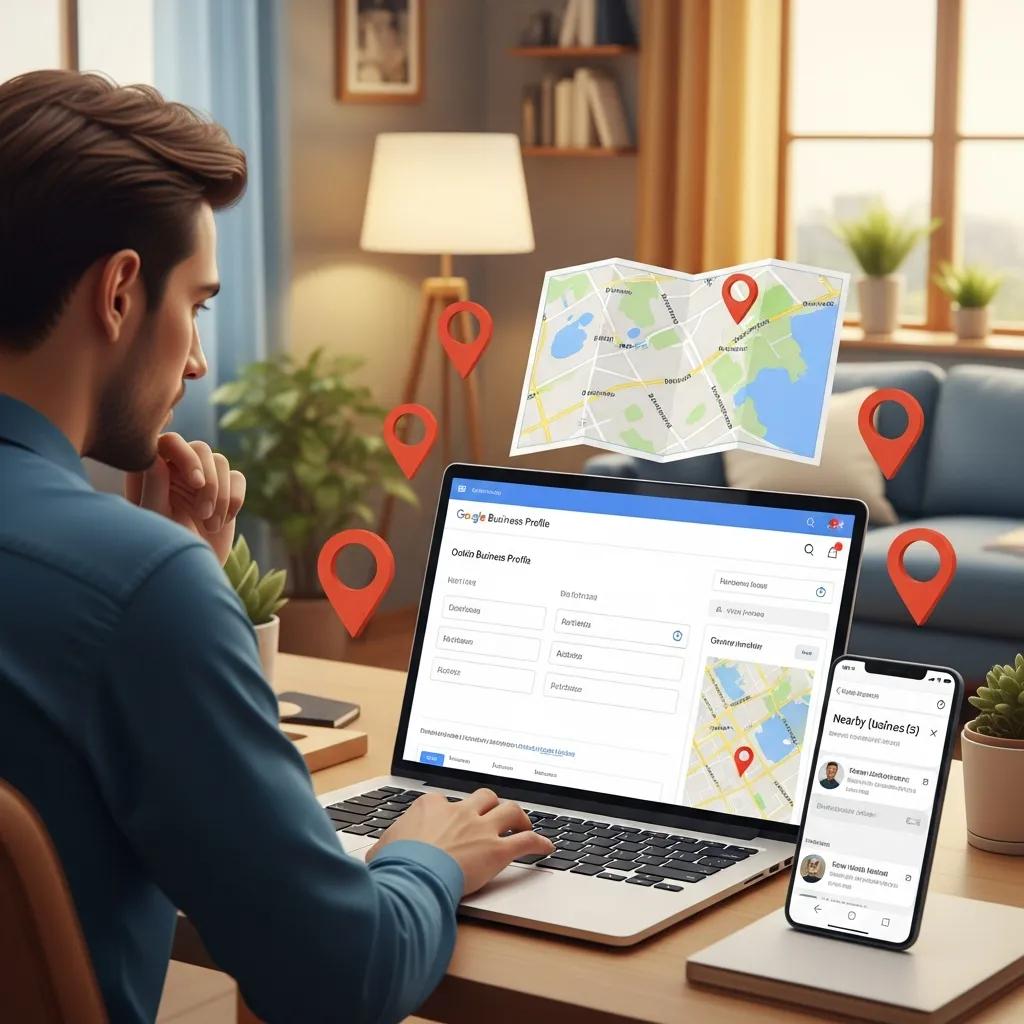
Leveraging local entities is a powerful strategy for improving mobile SEO visibility. By optimizing local business listings and utilizing schema markup, businesses can enhance their presence in local search results. This approach not only increases visibility but also helps potential customers find relevant information quickly.
How Does Optimizing Your Google Business Profile Boost Mobile Local Search?
Optimizing a Google Business Profile is essential for local SEO. Key elements include accurate business information, engaging images, and customer reviews. By ensuring that this information is up-to-date and comprehensive, businesses can improve their chances of appearing in local search results. A well-optimized profile can significantly enhance mobile visibility, attracting more customers to local businesses.
Further research emphasizes the critical role of local optimization and data micromarking for businesses aiming to boost their presence in local search results and attract more organic traffic.
Local SEO & Data Micromarking for Retailer Business Growth
The Purpose of the presented research is to substantiate the importance of the local optimization of the retailer’s business for search engines to increase organic traffic; to represent insights and give practical recommendations for retailers regarding local optimization of their business in Google as part of an effective marketing strategy; to create the typical valid data micromarking (by the example of the Ukrainian retailer), which will contribute to an advantageous placement in the Local Pack in comparison with competitors, and increase organic traffic and conversion.
Business optimization in the digital age: Insights and recommendations, A Natorina, 2020
What Role Do Local Schema Markup and 'Near Me' Searches Play in Mobile SEO?
Local schema markup is a powerful tool for enhancing mobile SEO. By providing search engines with structured data about a business, schema markup helps improve visibility in local search results. Additionally, ‘near me’ searches have become increasingly popular, with users seeking local services quickly. Implementing schema markup can help businesses appear in these searches, driving more traffic to their websites.
Indeed, schema markup serves as a vital tool for search engines to better understand content, ultimately enhancing search rankings and click-through rates.
Schema Markup for Enhanced Search Rankings & CTR
This chapter covers schema markup, which is optional code that can be added to a page to better explain the purpose of the content on that page to search engine robots. As well, schema markup can help enhance rankings, leading to higher click-through rates from search results. However, schema markup needs to be added correctly and accurately reflect the content presented on the page to help—if schema markup is used incorrectly, it can be ignored or, worse, can lead to errors or manual actions.
Schema and structured data markup, 2023
How Do You Measure and Improve the Impact of Mobile-First Design on Local SEO?
Measuring the impact of mobile-first design on local SEO involves tracking key performance indicators (KPIs) and utilizing various tools. By analyzing user behavior and engagement metrics, businesses can gain insights into the effectiveness of their mobile optimization efforts.
Which KPIs and Tools Are Best for Tracking Mobile Local SEO Performance?
Key performance indicators for tracking mobile local SEO performance include organic traffic, bounce rates, and conversion rates. Tools such as Google Analytics and Google Search Console provide valuable insights into user behavior and website performance. By monitoring these metrics, businesses can identify areas for improvement and optimize their mobile-first design strategies.
How Can Continuous Optimization Enhance Mobile User Experience and Local Rankings?
Continuous optimization is vital for maintaining a positive mobile user experience and improving local rankings. Regularly updating content, testing site performance, and implementing user feedback can help businesses stay ahead of the competition. By prioritizing ongoing optimization, businesses can ensure that their mobile-first design remains effective and aligned with evolving user expectations.
What Are the Benefits of Mobile-First Design for Local Businesses in 2024?

As we look ahead, the benefits of mobile-first design for local businesses are becoming increasingly clear. This approach not only enhances user experience but also drives customer engagement and loyalty. By prioritizing mobile optimization, businesses can position themselves for success in an ever-evolving digital landscape.
How Does Mobile Optimization Increase Local Visibility and Customer Engagement?
Mobile optimization significantly increases local visibility by ensuring that businesses appear in relevant search results. Enhanced user experience leads to higher engagement rates, as customers are more likely to interact with mobile-friendly websites. This increased engagement can translate into higher conversion rates and improved customer loyalty.
What Recent Trends Highlight the Importance of Mobile-First Local SEO?
Recent trends indicate a growing emphasis on mobile-first local SEO strategies. With the rise of voice search and mobile commerce, businesses must adapt to changing consumer behaviors. Staying informed about these trends and implementing mobile-first design principles will be crucial for maintaining a competitive edge in the local market.
Different mobile optimization factors deliver distinct benefits through specific mechanisms.
| Optimization Factor | Description | Impact on Local SEO |
|---|---|---|
| Page Speed | The time it takes for a page to load on mobile devices | Higher rankings and lower bounce rates |
| User Experience | The overall experience a user has while navigating a site | Increased engagement and conversions |
| Schema Markup | Structured data that helps search engines understand content | Improved visibility in local search results |
The evolution from mobile-first to a data-first approach, particularly with the widespread adoption of Schema.org, underscores the ongoing importance of structured data for effective web positioning.
Mobile-First, Data-First, and Schema.org for Web Positioning
Se realiza una reflexión sobre el marcado semántico desde el punto de vista de la edición y la publicación digital. Se acuña el término data-first, entendido como el uso de datos estructurados en los contenidos digitales para mejorar cómo los buscadores entienden con precisión la información que contienen. Se revisa la evolución y adopción del vocabulario Schema.org como estándar de facto en la Web, dado su impacto en el posicionamiento web y en las características mejoradas de las páginas de resultados de búsqueda.
Del mobile-first al data-first: schema. org, búsquedas zero-click y la incertidumbre sobre los asistentes de voz, T Saorín, 2020
Mobile-first design is not just a trend; it is a necessity for businesses aiming to thrive in the digital landscape. By understanding its importance and implementing effective strategies, businesses can improve their local SEO rankings and drive growth now and in the future.